
TL;DR:
- Digital scheduling reduces missed appointments by automating reminders and confirmations.
- Advanced tools optimize routes, assign skilled inspectors, and streamline communication.
- Proper discipline, training, and workflows are essential for maximizing scheduling efficiency.
Missed appointments cost appraisal inspection businesses more than just time. They erode client trust, disrupt routing plans, and push revenue out the door. Field service teams that still rely on phone calls and spreadsheets to coordinate inspections are fighting an uphill battle. Advanced scheduling tools reduce missed appointments by 27%, a number that translates directly into more completed jobs and stronger customer satisfaction. This article walks you through how appointment scheduling works in the appraisal context, the technologies driving real efficiency gains, the challenges you'll face, and the measurable results you can expect.
Table of Contents
- Defining appointment scheduling for appraisal inspectors
- Key methodologies and technologies for efficient scheduling
- Common challenges and edge cases in appointment scheduling
- Empirical results and business benefits of efficient scheduling
- What most field service leaders miss about scheduling
- Next steps: Connect with smarter scheduling solutions
- Frequently asked questions
Key Takeaways
| Point | Details |
|---|---|
| Reduce missed appointments | Digital scheduling tools can decrease missed appraisal inspections by over 25 percent. |
| Empower borrowers and staff | Self-service portals allow borrowers to coordinate inspections, freeing up administrative resources. |
| Boost workflow efficiency | AI-driven routing and calendar sync cut scheduling time from 45 minutes to a few minutes. |
| Hybrid models deliver speed | Hybrid workflows enable appraisers to process most loans within 24 hours without lowering quality. |
Defining appointment scheduling for appraisal inspectors
Having set the stage for what's at stake, let's clarify the nuts and bolts of appointment scheduling for appraisers. In the appraisal world, scheduling is not just about picking a time slot. It means coordinating an on-site property inspection among multiple parties, each with their own calendar, priorities, and communication preferences.
Appointment scheduling for appraisal inspectors involves digital coordination between appraisers, homeowners, and lenders or appraisal management companies (AMCs). When one party changes availability, the ripple effect touches everyone. Manual processes simply cannot keep up with that level of complexity.
The key stakeholders in every appraisal inspection appointment include:
- Appraisal inspectors: Responsible for on-site data collection and property assessment.
- Homeowners or borrowers: Must be present or available during the inspection window.
- Lenders and AMCs: Set deadlines and compliance requirements that shape scheduling timelines.
- Loan officers: Often act as intermediaries, relaying scheduling updates between parties.
Digital scheduling tools automate the assignment of inspectors based on location, skill set, and availability. They handle routing, send automated notifications, and sync calendars in real time. This removes the back-and-forth phone calls that eat up hours each week.
"The biggest inefficiency in appraisal workflows isn't the appraisal itself. It's the time lost coordinating the inspection appointment before the appraiser ever sets foot on the property."
For field service businesses, this coordination challenge is familiar territory. Efficient client scheduling is the backbone of any high-performing inspection operation. Without it, even the most skilled inspector spends too much time chasing confirmations instead of completing jobs.
The practical impact is significant. When scheduling is handled digitally, inspectors receive confirmed appointments with accurate addresses, time windows, and contact details. Homeowners get automated reminders. Lenders receive status updates without making a single phone call. Every party stays informed, and the inspection moves forward on schedule.
For businesses managing multiple inspectors across a service area, online scheduling for service appointments also allows geographic filtering, so you never assign an inspector to a job that's outside their viable travel range. That alone prevents a significant source of wasted drive time and unprofitable dispatches.
Key methodologies and technologies for efficient scheduling
Now that we know what scheduling entails, let's dig into the methods and tech that actually make it work. Not all scheduling approaches deliver the same results. The method you choose shapes your speed, accuracy, and flexibility.
Two-way calendar sync, AI-driven routing, dynamic field service optimization, self-service portals, and hybrid workflows represent the leading methodologies in use today. Here's how they compare:
| Method | Speed | Accuracy | Flexibility | Best for |
|---|---|---|---|---|
| Manual scheduling | Low | Low | High | Solo operators |
| Automated scheduling | High | High | Medium | Multi-inspector teams |
| Self-service portals | High | High | High | Borrower-driven bookings |
| AI-driven routing | High | Very high | High | Large field service teams |
| Hybrid models | Medium | Very high | Very high | Complex loan pipelines |
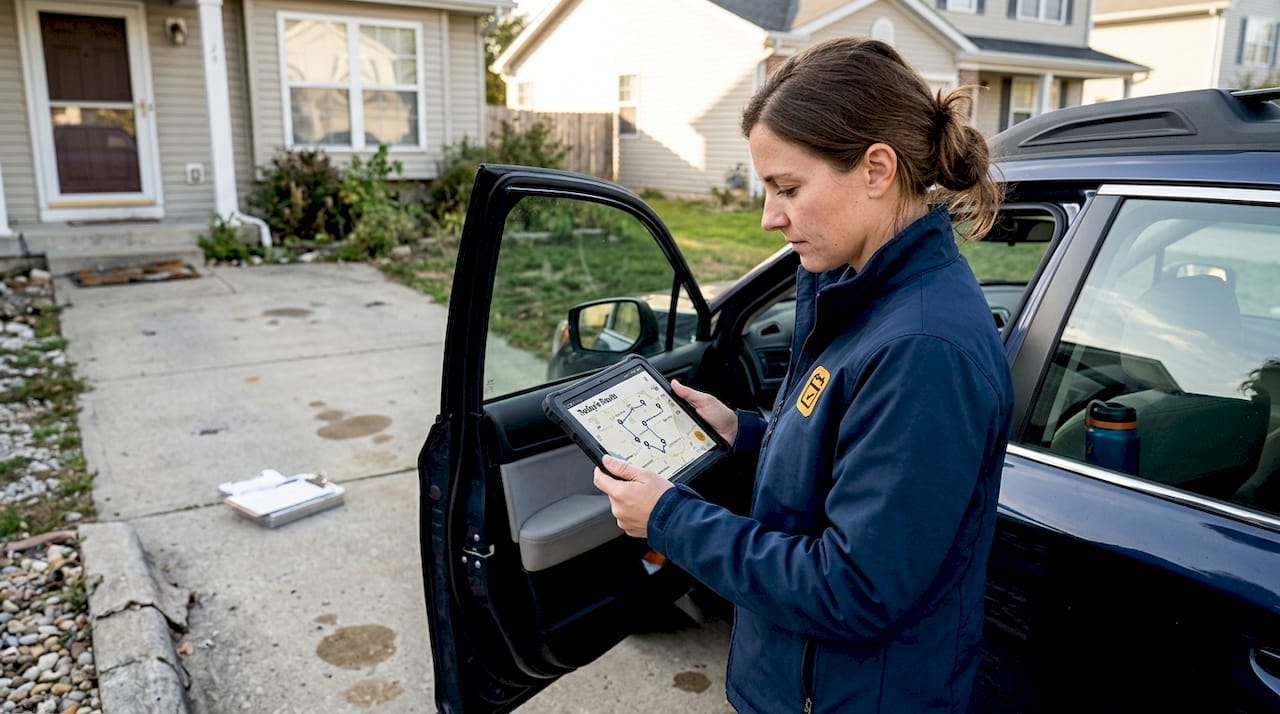
AI-driven routing matches inspectors to jobs based on real-time location, traffic conditions, and skill requirements. This cuts drive time and prevents the common mistake of sending the wrong inspector to a specialized property type.
Self-scheduling portals put booking power in the hands of borrowers. Instead of waiting for a coordinator to call, homeowners log in and select a time that works for them. This reduces phone tag and speeds up the entire loan pipeline.
Hybrid appraisal workflows separate on-site data collection from desktop analysis. A field inspector handles the property visit while a licensed appraiser completes the valuation remotely. Reggora's hybrid model enables 24-hour appraisals for 80 to 90 percent of conventional loans, a dramatic improvement over traditional multi-day timelines.
Key features to prioritize when evaluating scheduling technology:
- Real-time calendar sync with Google Calendar and Microsoft Outlook
- Automated SMS and email reminders for all parties
- Route optimization to minimize drive time between appointments
- Skill-based inspector assignment
- Self-service booking links for borrowers
Pro Tip: Pair automated scheduling reminders with self-service portals to cut no-show rates without adding any administrative workload. Borrowers who book their own appointments show up more consistently than those assigned a time slot without input.
Common challenges and edge cases in appointment scheduling
With methodologies explained, it's important to address the real-world obstacles every field service team encounters. Even the best scheduling system runs into friction. Knowing where things break down helps you build a more resilient workflow.
The most common scheduling challenges for appraisal inspection teams include:
- No-shows: Homeowners forget appointments or are unavailable at the last minute. Multi-channel outreach and self-scheduling significantly reduce this problem by keeping borrowers engaged and in control.
- Wrong contact information: Outdated phone numbers or email addresses mean reminders never reach the right person. Verified contact fields and confirmation workflows catch these errors early.
- Scheduling conflicts: Two jobs booked in the same time window, or an inspector double-assigned due to manual entry errors. Real-time sync eliminates this.
- Last-minute rescheduling: A borrower cancels two hours before the appointment. Dynamic re-optimization automatically fills the gap with another job or adjusts the inspector's route.
- Geographic mismatches: Assigning an inspector to a property outside their service area wastes time and money. Service area controls prevent this from happening.
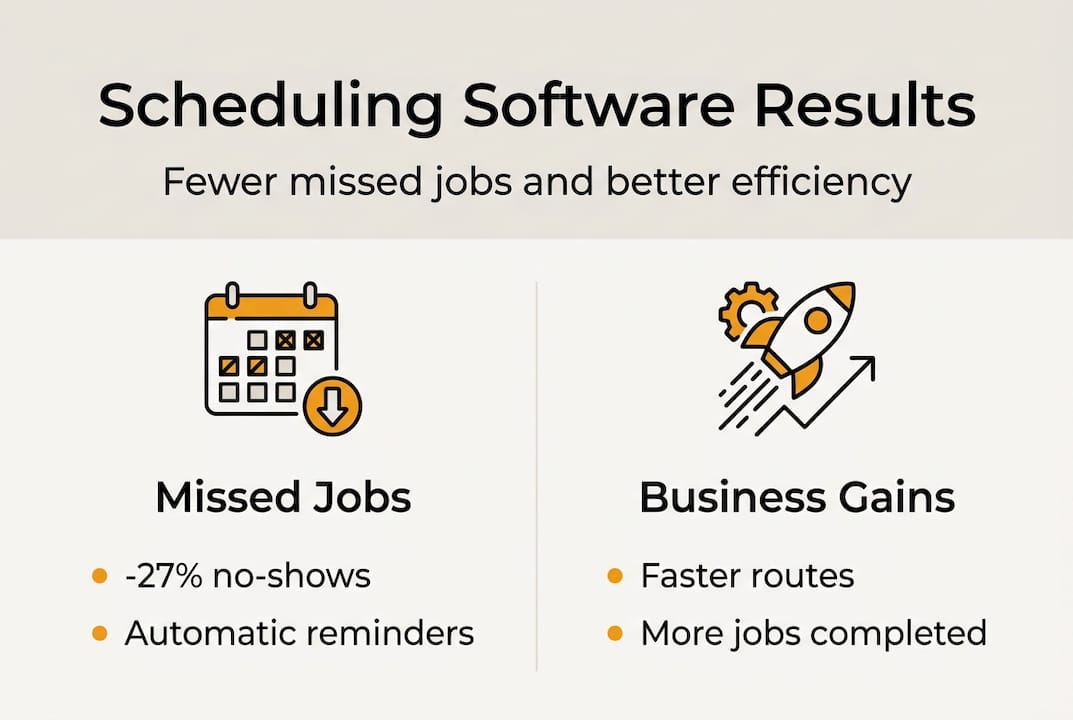
The data backs up the scale of these problems. Advanced scheduling tools cut missed appointments by 27%, which is a meaningful gain for any team managing dozens of inspections per week.
The scheduling software benefits go beyond just fewer no-shows. When conflicts are caught automatically and routes are recalculated in real time, inspectors spend less time idling and more time completing billable work.
Pro Tip: Build buffer times between appointments, especially in high-traffic service areas. A 15-minute buffer prevents one delayed inspection from cascading into a full day of late arrivals. Combine this with skill-based assignments to ensure every inspector is matched to jobs they can complete efficiently.
Empirical results and business benefits of efficient scheduling
Having tackled challenges, let's look at what field service businesses actually gain from adopting efficient scheduling solutions. The numbers tell a clear story.
Automated scheduling cuts missed appointments, reduces drive time, and lowers staffing needs across field service operations. Here's a summary of the documented outcomes:
| Metric | Before automation | After automation | Improvement |
|---|---|---|---|
| Missed appointments | Baseline | 27% fewer | Significant |
| Drive time per inspector | High | Reduced | Route optimization |
| Admin time per booking | 15 to 20 minutes | Under 5 minutes | 70%+ reduction |
| Customer satisfaction | Variable | Consistently higher | Fewer delays |
The business benefits extend well beyond the scheduling desk:
- More jobs per day: Optimized routing means inspectors can fit more appointments into the same work hours.
- Lower overhead: Fewer administrative staff needed to manage booking and confirmations.
- Faster loan closings: Lenders receive completed inspection data sooner, accelerating the overall mortgage timeline.
- Stronger client retention: Homeowners and lenders who experience smooth scheduling are more likely to return and refer.
- Reduced fuel costs: Shorter, smarter routes mean less time on the road and lower vehicle expenses.
For optimizing scheduling for field service businesses, these gains compound over time. A team that completes two additional inspections per day, five days a week, adds hundreds of billable jobs per year without hiring a single new inspector.
The customer experience improvement is equally important. When borrowers receive timely reminders, can reschedule with a single click, and know exactly when their inspector will arrive, they feel confident in the process. That confidence reflects well on every party in the transaction.
What most field service leaders miss about scheduling
But before you dive into tools, let's share a hard-won perspective every business should consider. Most field service leaders treat scheduling as a technology problem. Buy the right software, flip the switch, and watch efficiency climb. That framing misses something important.
Real scheduling efficiency comes from blending automation with skill-matching and honest communication. A self-service portal only works if borrowers trust it. AI routing only helps if your inspector data, skills, certifications, and service areas is accurate and current. Technology amplifies your existing workflow. It doesn't replace the need for clear processes.
Hybrid appraisal models are a good example. Appraisers in hybrid models often prefer analysis over field visits, and while adoption is growing, resistance to changing established workflows remains real. The scheduling types comparison matters less than whether your team actually uses the system consistently.
The businesses that see the biggest gains are not necessarily using the most advanced tools. They are the ones that trained their teams properly, set realistic buffer times, and built accountability into the workflow. Technology is the enabler. Discipline and process are the drivers.
Next steps: Connect with smarter scheduling solutions
Ready to apply these insights? Here's how to take the next steps.
FieldSlot is built for field service professionals who need to stop losing jobs to scheduling friction. The platform gives appraisal inspection businesses 24/7 online booking, automated reminders, real-time calendar sync, and route optimization, all deployable in under five minutes.

If you're managing multiple inspectors across a service area, FieldSlot online booking gives you the tools to fill your calendar, reduce no-shows, and keep every appointment on track without adding administrative overhead. You can also explore scheduling solution comparisons to find the right fit for your team's specific workflow. The efficiency gains are real, and the setup is straightforward.
Frequently asked questions
How does appointment scheduling software reduce missed appraisal inspections?
Advanced scheduling tools send automated reminders across multiple channels and let borrowers confirm or reschedule on their own, reducing missed appointments by 27% compared to manual coordination methods.
What are hybrid models in appraisal inspection scheduling?
Hybrid models separate the on-site property visit from the desktop valuation, allowing a field inspector to collect data while a licensed appraiser completes analysis remotely. This enables 24-hour appraisals for 80 to 90 percent of conventional loans.
How do appraisal inspectors handle last-minute schedule changes?
Dynamic re-optimization and real-time sync allow the system to automatically adjust routes and reassign time slots when a cancellation or change comes in, keeping the rest of the day's schedule intact.
Can borrowers schedule their own appraisal inspections?
Yes. Self-service portals let borrowers choose their own inspection window, which reduces admin workload and improves show rates because borrowers are more committed to times they selected themselves.